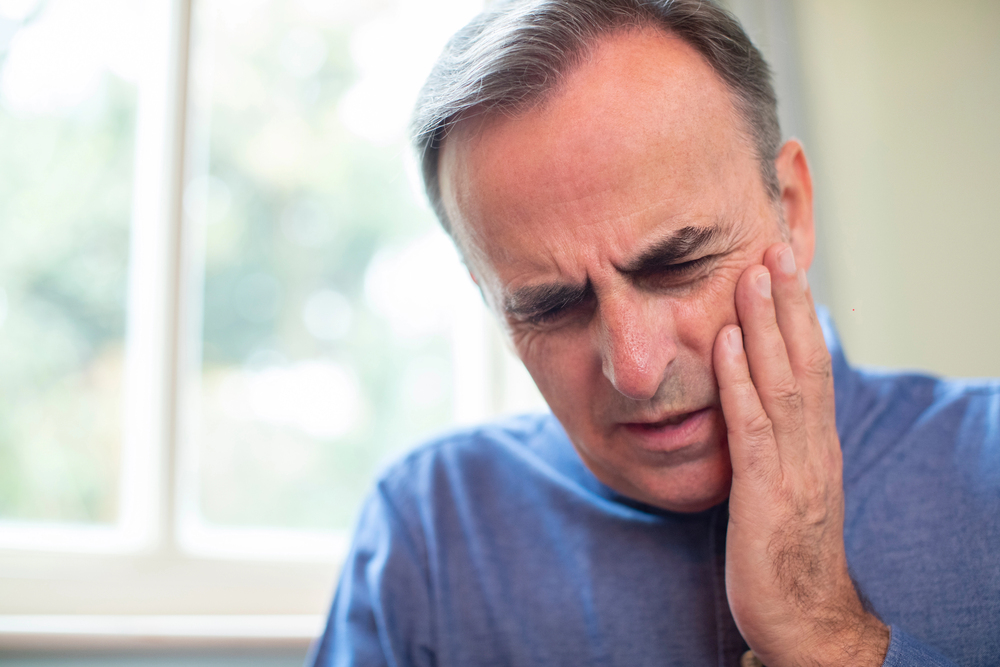
Your alarm goes off, you open your eyes to greet the day, and OUCH! Your jaw hurts. And, OH NO! You have a headache, too.
If this scene is familiar, you may suffer from TMJ disorder (or dysfunction), commonly called TMJ or TMD. This painful condition occurs when the joints holding your lower jaw to your skull become inflamed, irritated, or imbalanced. Commonly, patients develop TMD due to stress, dental malocclusion, injury, or genetics. But pain isn’t the only issue with TMJ disorder. Bruxism, meaning clenching and grinding your teeth, is associated with TMJ. Bruxism causes premature tooth wear, cracking, and crazing (weblike cracks across dental enamel), which leads to dental health problems. Oftentimes, bruxing occurs during sleep–so you may not even realize you do it–but our dentist in Vegas can identify the signs of bruxism during your exam. TMJ and bruxism create a downward spiral for oral health and comfortable function.
Are you tired of jaw pain and headaches? Do your jaws pop, click, or lock? To find out if you suffer from TMJ disorder and/or bruxism, call Miracle Dental in Las Vegas today at (702) 456-0056 to reserve your appointment with one of our compassionate, experienced female dentists.
What Bruxism Does to Your Smile
If you brux, your jaw muscles may twitch and tremble while you sleep as they try to relax. About 10% of adults grind their teeth at night. TMJ disorder means that your jaw joints don’t sit in the ideal resting position, ever. They’re “on” 24/7, working to allow your mouth to speak, eat, and move throughout the day, even when the muscles need time to recuperate. You may notice a sore jaw, headaches, earaches, clicking joints, and the dentist can spot cracked and flattened molars caused by bruxism.
How Bruxism Leads to TMJ Disorder
Those overworked jaw muscles, tendons, and other tissues seek restoration while you sleep. But if a comfortable resting position isn’t available, they may spasm, twitch, and quake, leading to teeth grinding and clenching. This is a double-edged sword: bruxism leads to TMD, and TMD makes bruxism worse. This downward spiral will not end unless you seek professional treatment with an expert, like those at Miracle Dental. Our TMJ dentists in Vegas diagnose and treat TMJ, as well as bruxism. We solve the problem and relieve painful symptoms.
Diagnosis and Treatment of TMJ with Your Vegas Dentist
The dentist will evaluate your oral health, analyze X-rays, and discuss your medical and dental history, as well as your concerns and experiences. Once we have a full picture of your case, the dentist will talk with you about the underlying cause of your TMJ pain and/or bruxism, as well as treatment to address the cause and relieve pain.
Your dentist in Vegas may recommend any of these treatment modalities:
Custom Nightguard (Oral Splint): A custom-molded oral splint fits like an athletic mouthguard between upper and lower teeth. It prevents teeth from clenching, gnashing, and grinding while being worn. Over time, an oral splint can retrain jaw muscles to naturally find their resting position, in some patients. Others wear the nightguard indefinitely to prevent bruxism.
Bite Adjustment with Dental Restoration: When upper and lower dental arches do not fit together properly, we call the condition malocclusion. (Proper seating is called good occlusion.) Whether malocclusion caused your TMD or bruxism led to malocclusion, rebuilding molars with crowns can restore good occlusion, which allows the jaw joints to sit in a comfortable resting position. Some patients stop clenching and grinding after bite adjustment with dental restorations, though some continue to brux. Wearing a nightguard will protect new restorations from premature wear.
Botox(r): Spasming muscles become paralyzed when injected with Botox. This same treatment used to cosmetically treat forehead frown lines can also work well to treat bruxism. Your dentist in Vegas injects Botox to reduce chronic tension in the jaw muscles. This allows them rest. Botox requires retreatment every three months or so. We do advise continued use of a nightguard to prevent bruxism, should it occur while you sleep.
Orthodontic Treatment: If malocclusion is an issue, but it’s caused by dental misalignment rather than worn molars, wearing traditional orthodontic braces or Invisalign may resolve the symptoms of bruxism and TMJ pain.
Self-Care and Pain Treatment Tips
When your jaw aches and you get TMD headaches, these measures may bring some relief at home. Play an active role in helping your jaw muscles rest by following these tips:
- Place warm compresses on the jaw to soothe sore muscles
- Try gentle jaw movements and stretches to relieve some jaw muscle tension
- Avoid chewing gum and hard foods
- Stay hydrated
- Consistently achieve quality sleep
- Take NSAIDs for pain (in moderation)
- Schedule a visit with your dentist in Vegas at Miracle Dental for a full diagnostic workup and treatment plan
Your Vegas Dentist Has All the Answers
Do not endure morning headaches, clicking jaws, tense jaw muscles, and bruxism for one more day. Call Miracle Dental in Las Vegas today at (702) 456-0056 now. We will first get you out of pain, then discuss treatment to correct underlying issues and resolve all TMJ-related symptoms. We look forward to making you smile, comfortably and often.