
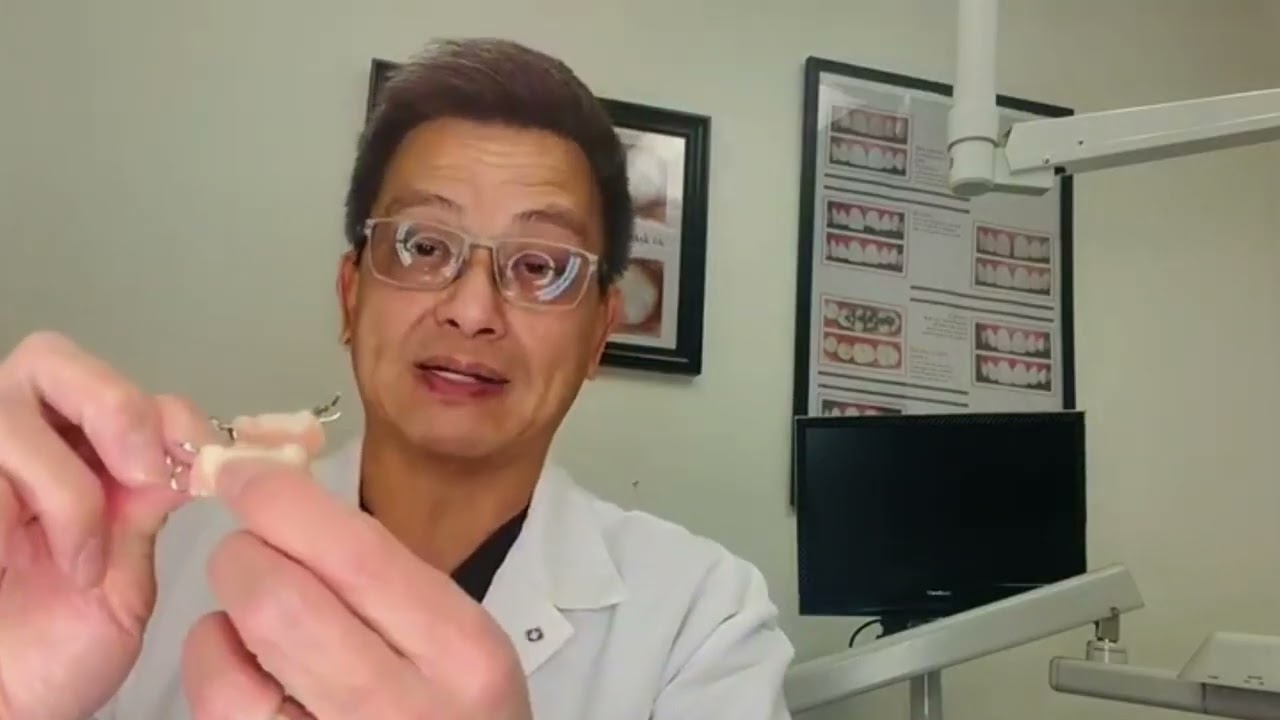
Partial Dentures: Replacing Missing Teeth While Preserving Your Natural Smile
Losing several teeth can affect much more than your appearance. Missing teeth may make it difficult to chew comfortably, speak clearly, and maintain proper alignment of your remaining teeth. Partial dentures are a proven tooth replacement option designed to restore function and appearance while helping protect your overall oral health.
At Miracle Dental, we understand that every patient's needs are different. Partial dentures offer a practical solution for individuals who are missing several teeth but still retain healthy natural teeth. By filling gaps in your smile, partial dentures can help restore confidence and improve daily comfort.
If you have missing teeth and are considering your treatment options, understanding how partial dentures work can help you determine whether this type of restoration may be right for you.
What Are Partial Dentures?
A partial denture is designed for patients who still have some healthy natural teeth but are missing one or more teeth. It can also be a good option for patients who are about to lose additional teeth.
For example, if someone has several missing teeth but still has healthy remaining teeth to support the appliance, a partial denture may be an excellent treatment option.
Partial dentures are removable dental appliances designed to replace multiple missing teeth while preserving any remaining healthy natural teeth. Unlike complete dentures, which replace an entire arch of teeth, partial dentures are used when some natural teeth remain in the upper or lower jaw.
A partial denture typically consists of replacement teeth attached to a durable base that is customized to fit your mouth. The appliance is designed to blend with your natural smile and fit comfortably alongside your existing teeth.
By filling spaces left by missing teeth, partial dentures help restore oral function and support a more balanced appearance.
Why Might I Need Partial Dentures?
When teeth are lost due to decay, gum disease, injury, or other dental conditions, replacing them can help prevent complications that may develop over time.
Your dentist may recommend partial dentures if you:
- Are missing several teeth but still have healthy remaining teeth
- Want to improve chewing ability
- Have difficulty speaking because of missing teeth
- Would like to improve the appearance of your smile
- Want to prevent neighboring teeth from shifting into empty spaces
- Are looking for a removable tooth replacement option
Replacing missing teeth can help maintain better oral function and reduce some of the challenges associated with tooth loss.
How Do Partial Dentures Work?
Partial dentures fill the spaces created by missing teeth and use the remaining natural teeth for support and stability. The appliance is custom-designed to fit securely and comfortably within your mouth.
Once in place, the replacement teeth help restore your smile and improve daily functions such as chewing and speaking. The appliance is removable, allowing you to clean it regularly and maintain proper oral hygiene.
Because every patient's dental needs are unique, partial dentures are carefully fabricated to match the size, shape, and appearance of surrounding teeth whenever possible.
Benefits of Partial Dentures
Partial dentures offer several advantages for patients who are missing multiple teeth and want a reliable replacement option.
- Restore the appearance of your smile
- Improve chewing and biting function
- Support clearer speech
- Help maintain facial contours
- Prevent remaining teeth from shifting
- Provide a customized and removable solution
- Improve confidence in social and professional settings
For many patients, partial dentures provide an effective balance between function, appearance, and affordability.
Types of Partial Dentures
Several types of partial dentures are available depending on your oral health needs and treatment goals.
There are several different types of partial dentures.
One option is a traditional metal framework partial denture. These partial dentures have a metal framework with clasps that attach to your remaining natural teeth for support.
Another option is a flexible partial denture made from a material called Valplast. Unlike a metal framework partial denture, Valplast is lightweight and flexible. It gently snaps into place and flexes slightly while you chew.
These are the two most common types of partial dentures: traditional metal framework partial dentures and flexible Valplast partial dentures.
Removable Partial Dentures
Removable partial dentures are the most common type. They are designed to be taken out for cleaning and maintenance while providing reliable support during everyday activities.
A metal framework partial denture uses a strong metal framework with clasps that fit securely around your remaining natural teeth.
These supporting teeth, often called anchor teeth, help hold the partial denture securely in place while you eat and speak.
One of the biggest advantages of a metal framework partial denture is its strength and durability. While flexible partial dentures are also durable, a metal framework provides a more rigid design that some patients prefer.
Another important advantage is that a metal framework partial denture can often be modified if additional teeth are lost in the future. For example, if a patient has periodontal disease and is expected to lose more teeth over time, we can often add replacement teeth to the existing metal partial denture instead of making an entirely new appliance.
Unfortunately, that is generally not possible with a flexible Valplast partial denture. If additional teeth are lost, a new partial denture usually needs to be fabricated. For many patients, this is the biggest advantage of choosing a traditional metal framework partial denture.
The biggest disadvantage is aesthetics. Because the framework is made of metal, some of the clasps may be visible when you smile. Patients with metal allergies are also generally not good candidates for this type of partial denture.
Many patients today prefer flexible Valplast partial dentures because they are more discreet and blend in better with the natural teeth.
Ultimately, every patient is different. At Miracle Dental, we customize your treatment based on your individual needs, preferences, and long-term oral health goals.
These are simply two different types of partial dentures, each with its own advantages.
A metal framework partial denture works a little differently.
In addition to the clasps that wrap around the supporting teeth, it also has small metal components called rests. These rests sit on top of specific supporting teeth to help stabilize the partial denture while you chew.
Precision-Attachment Partial Dentures
Some partial dentures use specialized attachments rather than visible clasps. These restorations may offer a more discreet appearance in certain situations.
Flexible Partial Dentures
Flexible materials may be used in some cases to provide greater comfort and flexibility. Whether this option is appropriate depends on your specific oral health needs.
Patients often ask which partial denture is better, which one is more comfortable, how long each one lasts, and whether one costs more than the other.
One of the biggest advantages of a Valplast partial denture is that it is lightweight and highly aesthetic. Because there is no visible metal, many patients prefer its appearance. It is also a great option for patients who have metal allergies.
Valplast is flexible, which many patients find very comfortable. It adapts well while chewing and feels more natural for many people.
The main disadvantage is that if one of the supporting teeth is lost in the future, it is generally not possible to add another tooth to the existing Valplast partial denture.
Instead, a completely new partial denture usually has to be made. Fortunately, if you take good care of your remaining natural teeth, this may not become an issue for many years.
A Valplast partial denture gently wraps around your supporting teeth and snaps into place.
One advantage is that it wraps around the natural teeth instead of resting on top of them. Because of that, we usually do not need to modify or reshape the supporting teeth to help the appliance fit properly.
That conservative design is another reason many patients choose a flexible partial denture.
Your dentist will discuss the available options and recommend the type of partial denture that best suits your situation.
What to Expect During Treatment
The process of creating partial dentures typically requires multiple appointments. During your initial visit, your dentist will evaluate your oral health and discuss your goals for treatment.
Detailed impressions or digital scans of your teeth and gums are then taken. These records help create a custom appliance that fits comfortably and functions properly.
Depending on the complexity of your case, one or more try-in appointments may be scheduled. These visits allow adjustments to be made to the fit, appearance, and alignment before the final appliance is completed.
Once the partial denture is ready, your dentist will carefully place and adjust it to help ensure comfort and stability.
The process of making a partial denture is very similar to making a complete denture.
We begin by taking impressions or digital scans of your teeth to create an accurate model. From there, we create a wax bite rim that allows us to measure your bite and make sure your teeth come together comfortably.
Once we establish your bite, the case is mounted on an articulator, and the replacement teeth are positioned in wax. We then try the partial denture in your mouth to make sure the fit, bite, and appearance are all correct.
Once everything feels comfortable and you are happy with the way it looks, the partial denture is sent to the dental laboratory, where it is processed into the final appliance.
When it returns from the lab, we deliver your finished partial denture, make any necessary adjustments, and ensure it fits comfortably.
Overall, the process is very similar to creating a complete denture. The primary difference is that a partial denture is designed to work with your remaining healthy teeth.
Adjusting to Partial Dentures
Like any new dental appliance, partial dentures require an adjustment period. It is normal to experience minor changes as your mouth adapts.
During the first few weeks, you may notice:
- Increased saliva production
- Mild soreness or pressure points
- Temporary changes in speech
- Difficulty chewing certain foods
- Increased awareness of the appliance
These issues typically improve as your muscles and oral tissues become accustomed to the denture. Follow-up visits allow your dentist to make adjustments if needed.
Recovery and Aftercare
Caring for your partial dentures properly can help extend their lifespan and maintain your oral health.
Helpful care recommendations include:
- Clean your partial dentures daily as instructed
- Brush your remaining natural teeth thoroughly
- Maintain regular dental checkups
- Handle the appliance carefully to prevent damage
- Store dentures properly when not in use
Good oral hygiene is important because the health of your remaining natural teeth directly affects the long-term success of your partial denture.
How Long Do Partial Dentures Last?
Partial dentures are durable restorations, but they may require adjustments, repairs, or replacement over time due to normal wear and natural changes in the mouth.
The lifespan of a partial denture depends on factors such as oral hygiene, daily use, the condition of supporting teeth, and routine dental maintenance.
Regular dental visits allow your dentist to evaluate the fit of the appliance and address any concerns before they become larger issues.
Partial Dentures Cost
Many patients ask about partial dentures cost when exploring tooth replacement options. The cost of treatment varies depending on several factors, including the number of teeth being replaced, the materials used, the complexity of the case, and whether additional dental treatment is needed.
Because every patient's needs are different, the best way to determine partial dentures cost is through a consultation and examination. During your appointment, your dentist can discuss available treatment options and provide an estimate based on your specific situation.
When Should I Contact a Dentist?
You should contact a dentist if you are missing multiple teeth or if your existing partial denture becomes loose, uncomfortable, damaged, or difficult to wear.
You should also schedule an evaluation if you experience:
- Difficulty chewing
- Changes in speech
- Sore spots or irritation
- Shifting of natural teeth
- Visible damage to the appliance
- Concerns about replacing missing teeth
Prompt evaluation can help ensure that your denture continues to fit properly and function effectively.
Restore Your Smile with Custom Partial Dentures
Partial dentures are an effective solution for replacing several missing teeth while preserving your remaining natural teeth. By restoring function, appearance, and stability, they can help improve both oral health and confidence.
At Miracle Dental, we are committed to helping patients find comfortable, personalized tooth replacement solutions. Whether you are interested in learning more about partial dentures or have questions about partial dentures cost, our team is here to help.
To schedule a consultation and discuss your options, contact Miracle Dental at (702) 847-8662 or email [email protected].
Why Do You Have to Create Space for a Metal Framework Partial Denture?
Because the metal rests sit on top of the supporting teeth, we usually need to create a very small space called a rest seat.
This is typically only about 1 to 2 millimeters deep, depending on the tooth. Creating this space allows the metal rest to sit flush with the tooth instead of raising your bite.
If we didn't create that space, the partial denture could interfere with the way your upper and lower teeth come together, which could make your bite feel uncomfortable and even place unnecessary stress on your jaw joints.
Creating a properly designed rest seat helps ensure that your partial denture fits comfortably and functions the way it should.
What if the Supporting Teeth Already Have Crowns?
This is one situation where a metal framework partial denture can become more complicated.
If the supporting teeth already have dental crowns, we don't always know how much material is available. Attempting to create a rest seat in an existing crown could weaken it or even cause it to fracture.
In some situations, we may recommend replacing the crown so it can be designed with the proper rest seat built into it. That allows the metal framework partial denture to fit correctly and function as intended.
Some patients are comfortable replacing the crown, while others may prefer a different treatment option, especially if the crown was placed recently.
This is another consideration when deciding between a metal framework partial denture and a flexible Valplast partial denture.
During your consultation at Miracle Dental, we'll evaluate your remaining teeth and recommend the type of partial denture that best fits your needs, oral health, and long-term goals.
If you’re looking for dental care you can trust, call us at (702) 847-8662 or email [email protected]. We’re here to help you have the smile you've always wanted!